First Light Productions

investigative journalism

Posts from the “NEWS” Category

Red wolfies

Posted on May 29, 2014

Zoos are an iffy proposition in many ways but there are also upsides.

One of a litter of 8 red wolves born at the Point Defiance zoo in Tacoma, Washington in 2012.

One of a litter of 8 red wolves born at the Point Defiance zoo in Tacoma, Washington.

Once common from Texas to Pennsylvania to Florida, red wolves have been hunted trapped and poisoned almost to extinction. The wild population today numbers about 100, making them one of North America’s rarest mammals.

One of four red wolf pups were recently born at the Green Bay, Wisconsin NEW Zoo.

One of six red wolf pups recently born at the NEW Zoo in Green Bay, Wisconsin.

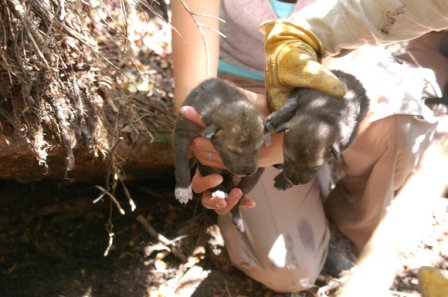
To pump fresh blood into the wild population, several zoos across North American, such as the Point Defiance zoo in Tacoma, Washington and the Chicago zoo, operate red wolf breeding programs. After the zoo born pups pass a health check, U.S. Forest Service biologists slip them into the litters of wild females who raise them as their own.

Red wolf pups born at the Chicago zoo are introduced into the wild. (Photo: US Forest Service)

Red wolf pups born at the Chicago zoo are introduced into the wild. (Photo: US Forest Service)

Smaller than gray wolves, red wolves are known for patches of reddish fur behind their ears and on their necks. It is illegal to shoot a red wolf but they are regularly shot by hunters who generally claim to have mistaken them for coyotes.


Source: Red Wolf Coalition.

Now it’s the Europeans

Posted on May 16, 2014

The war on sharks has spread to the European Union.

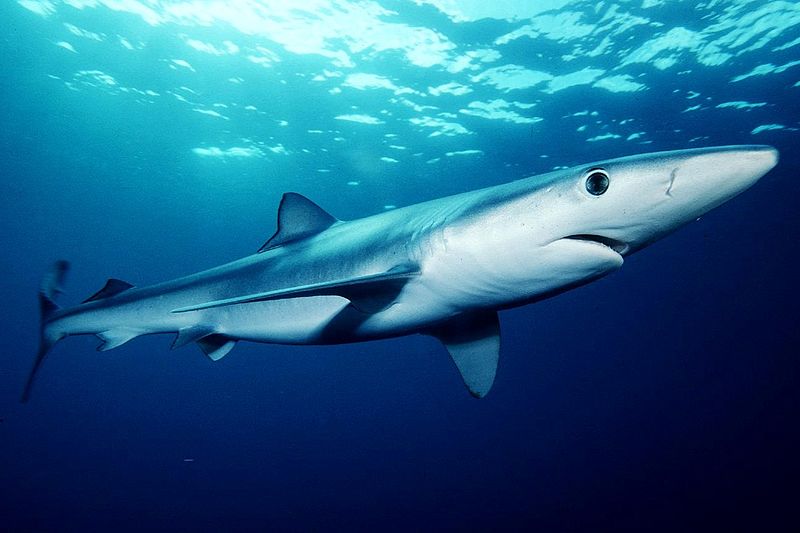
Blue shark. (Photo: Wiki Commons)

Blue shark. (Photo: Wiki Commons)

A new report says that as many as four million of these ancient fish, mainly blues and makos, are being caught every year in the North Atlantic.

Apparently, the collapse of the tuna fishery has caused long-line fishermen from Spain and Portugal who use baited lines strung out for up to 60 miles, to target areas where sharks congregate on their migratory routes at the confluence of warm and cool currents.

Indeed, landings of blue sharks reported by the EU fleet have tripled since 2003, with Spain responsible for more than 80 per cent.

The size of the catch helps explain why shark numbers have been plummeting so rapidly worldwide. The yearly global catch of sharks — estimated at upwards of 100 million — has long worried conservationists and fisheries experts.

The report was compiled by researchers from Plymouth’s Marine Biological Association which tagged and tracked 100 sharks and compared their movements with those of several hundred long-line vessels.

The commercial long-line fishery is largely unregulated. A major market is in the Far East where shark fin soup is an expensive delicacy.


Source: Wildlife Extra.

Taiwan does right

Posted on April 25, 2014

Taiwan, whose fishery is infamous for its indiscriminant use of gillnets, some miles long, on the high seas, wreaking havoc on all species of marine animals, has established a marine wildlife sanctuary off the west coast of the island to protect a dwindling population of Indo-Pacific humpback dolphins.

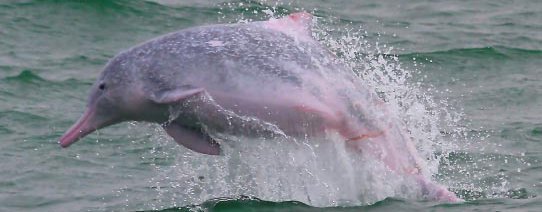
Indo-Pacific humpback dolphin. (Sousa chinensis)

Indo-Pacific humpback dolphin. (Sousa chinensis)

    Identified as a distinct species only a few years ago, there are estimated to be fewer than 75 dolphins in the population, and more than 30% show signs of having been caught in or injured by fishing gear. Some can be seen swimming with lines still attached to their fins and around their bodies, while others bear deep, lasting scars from previous entanglement.

    Indo-Pacific humpback dolphins are coastal animals, venturing into estuaries and mangroves. Due to their preference for nearshore waters they are especially at risk from human activities.

    The most immediate danger are the thousands of gillnets strung along the west coast of the island which are designed to catch fish by their gills but also kill dolphins and other cetaceans.

    Trawling, another kind of fishing that can cause Sousa bycatch, has been banned in much of the dolphins’ near-shore habitat, but continues illegally, often in plain sight.

    Normal fishing in the area will be unaffected, as the government said a total ban was not feasible as the success of the sanctuary depends on the cooperation of local fishermen, but guidelines have been tightened for operators in the region and there will be tough punishments for illegal fishing of the endangered species. Dredge fishing has also been banned.


    Shout out: Wildlife Extra.

Flower World bears

Posted on April 23, 2014

A state-owned horticulture and landscaping company in southern China, Flower World farm, has agreed to give the 130 bears used in its bear bile operation into the custody of the Animals Asia Foundation.

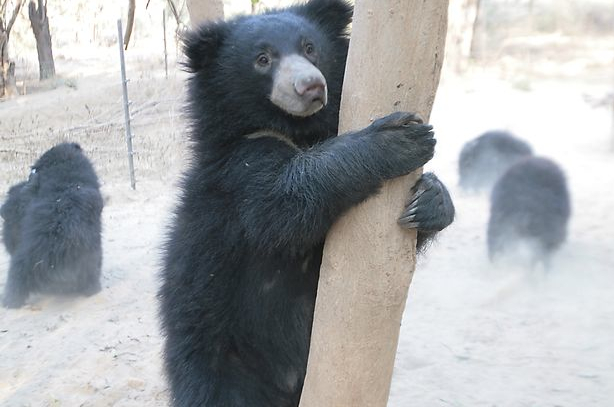
130 bears at Flower World Farm freed by Animals Asia.

Bears at Flower World Farm. (Photo: Animals Asia)

    The bears have been kept in tiny cages—some for up to 30 years—and milked for their bile, which is used in traditional Chinese medicines.

    Bile is obtained by cutting a hole in a bear’s stomach so fluid can drip from the gall bladder. The holes are left open, leading to infection and disease.

    Their health issues include blindness, dental problems and untreated wounds. In early May, 28 of the sickest bears will be transported to Animals Asia’s facility in the city of Chengdu for urgent medical treatment.

    Under the terms of the deal, Animals Asia will rehab the farm facility where the bears have been kept and turn it into a sanctuary.

    There are around 10,000 bears in farms in China.

Eagle cam

Posted on April 10, 2014

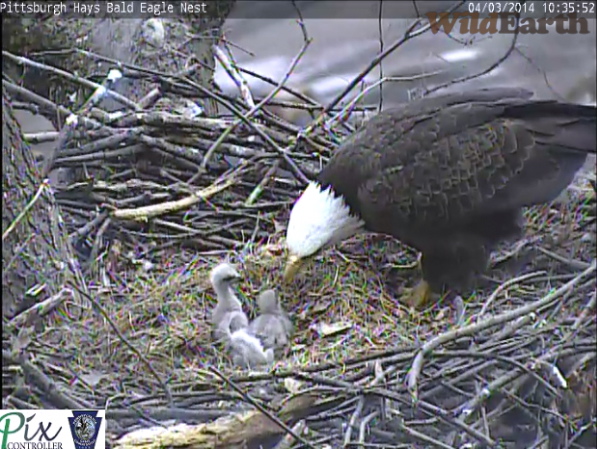
Live 24/7 from the neighborhood of Hays, about five miles outside of downtown Pittsburgh along the Monongahela River.

The parents feed the eaglets bits of fish and squirrel torn into tiny pieces.

The female laid her eggs on Feb. 19, Feb. 22 and Feb. 25. The sex of the newly hatched eaglets is unclear. It takes about 35 days for a bald eagle egg to hatch. The last egg hatched yesterday afternoon.

During the first few weeks one parent, usually the female, stays always at the nest.

Oxymoron

Posted on April 6, 2014

Unfettered capitalism caught between a rock and a hard place.

    McDonalds recently announced the company is transitioning to “sustainable beef.” The definition of this breakthrough concept is now being formulated by a group that includes Walmart, Darden Restaurants (Olive Garden and Red Lobster), Cargill, Tyson Foods, the pharmaceutical company Merck, and the National Cattlemen’s Beef Association.

The announcement coincided with an article in Bloomberg Businessweek proposing a tax on meat for health and environmental reasons.

a.k.a. Burma

Posted on April 5, 2014

The first ever live-action footage of the critically endangered Myanmar snub-nosed monkey has been captured on video in Kachin state, Myanmar.

    Previously unknown to scientists, the monkey was first identified on camera trap footage in 2010. The species is listed as Critically Endangered on the IUCN Red List. An estimated 260 to 330 individuals survive in the wild.

    It’s hard to tell from the footage the number of individuals in the troupe, but judging from the bodies seen hurling themselves between trees it looks to be at least twenty, which means the video shows perhaps 10% of the world’s population of the species in one spot.

    The footage was taken by a team from Fauna & Flora International while checking on camera traps.


    Source: Wildlife Extra.com

Chimp kingdom

Posted on February 10, 2014

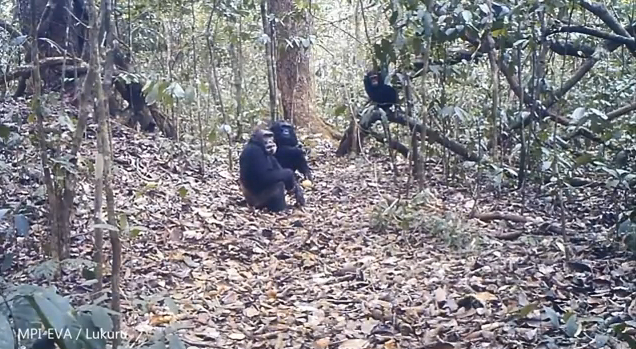
Researchers report the existence of one of the last thriving large colonies of chimpanzees on the planet in the remote Bili-Uele forest in the Democratic Republic of Congo (DRC).

Bili-Uele forest, Democratic Republic of Congo. (Lukuru Foundation)

    A vast, uncharted area of 50,000 sq km, the forest enclave is one of the last untouched wildernesses in Africa.

    Researchers first identified the chimp kingdom in 2007. Estimates place the number of chimps there in the multiple thousands. Elsewhere in Africa, chimp populations have shrunk from millions to just a few hundred thousand in the last century.

    The unusually large chimps in the Bili-Uele have been seen feasting on leopard. They build ground nests far more often than other chimps, and they have a unique taste for giant African snails.

    Motion-activated video cameras have recorded gangs of males patrolling their territory.

    The area is at great risk of being opened up. There is illegal gold mining in nearby areas. Members of the Lord’s Resistance Army move through the area, along with refugees and armed brigands from the war in the Central African Republic. Researcher fear these incursions will draw hunters seeking to feed the enormous bushmeat trade in the Congo basin.

    The chimps are protected in DRC law, but the law means little to poachers and corrupt officials who look the other way when paid to do so.


Shout out: Damian Carrington.

Panthera pardus saxicolor

Posted on February 7, 2014

In the past 40 days alone, seven rare Persian leopards have been killed or injured in Iran by poachers, food poisoning and cars, according to Iranian media reports.

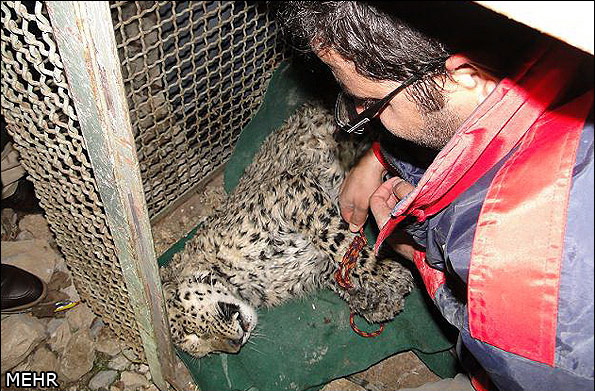
Leopard cub saved (Dec. 2013) after being trapped in well in sw Iranian city of Khorramabad. (Photo: MEHR News Agency)

Leopard cub saved (Dec. 2013) after being trapped in well in sw Iranian city of Khorramabad. (Photo: MEHR News Agency)

The leopard most recently harmed was found in a forested area in the north of Iran with one front leg cut off by a foot-snare trap. After transporting the large male to a veterinary center, radiography showed he was suffering from more than 50 small pellets and bullets scattered throughout its body and could not move due to spiral cord damage. His prognosis is dire.

The Persian leopard, one of the mascots of the Sochi Olympics and the largest member of the cat family in Iran, is considered an endangered subspecies on the IUCN Red List.

An unreliable estimate of the leopard population in Iran is 550-850 individuals. Little scientific data about them has been collected. It is known that their population has drastically declined across their range, largely due to the decimation of ungulates, their main food source. Food scarcity increases the potential for conflict between humans and leopards as they travel more widely for food.

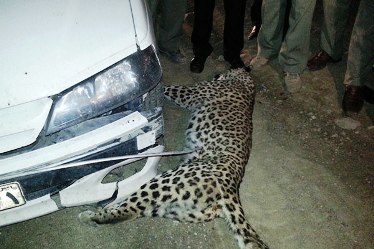
Leopard killed in an automobile accident in Sefidkooh protected area near Khorramabad. (Photo: Mehr News Agency)

Between 2007 and 2011, 71 Persian leopards were killed by illegal hunting or poisoned. Twelve of the cats have been killed in the last 11 months alone, according to Iranian media. It is believed the actual number killed is much higher than reported.

Danger zones

Posted on February 6, 2014

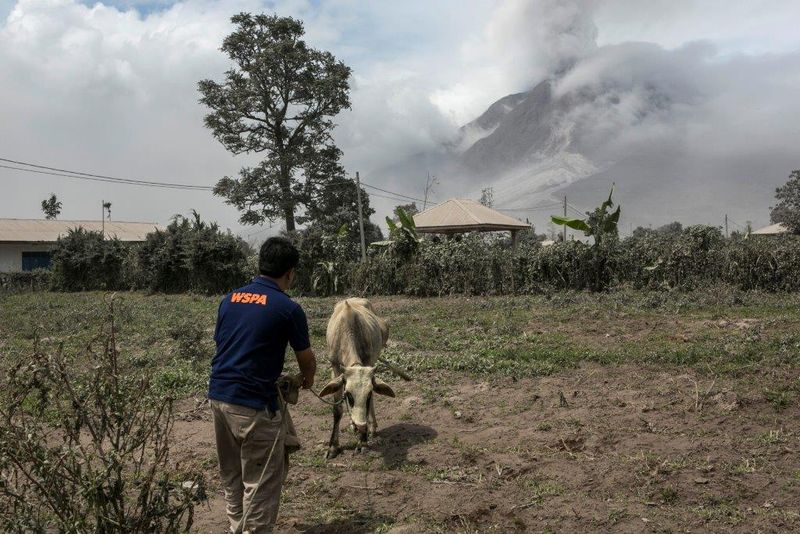
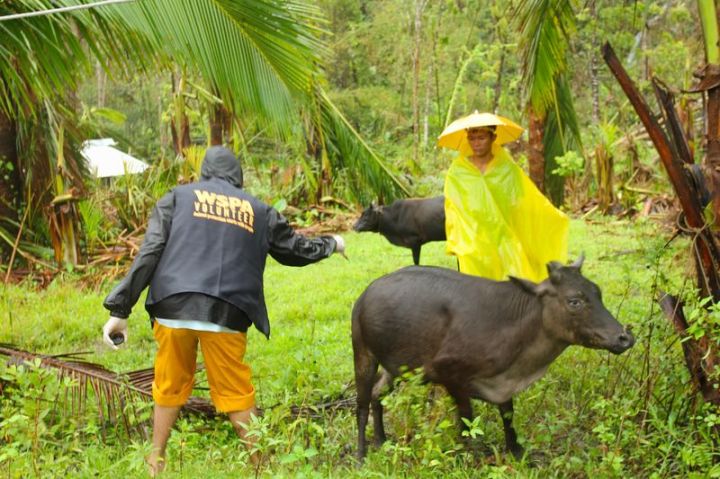
A team from the World Society for the Protection of Animals is on the slopes of Mount Sinabung in Northern Sumatra attending to hundreds of animals in the ash-covered wasteland surrounding the volcano which recently came back to life after 400 years of inactivity.

Approachding a cow in the danger zone around Mt. Sinabung.

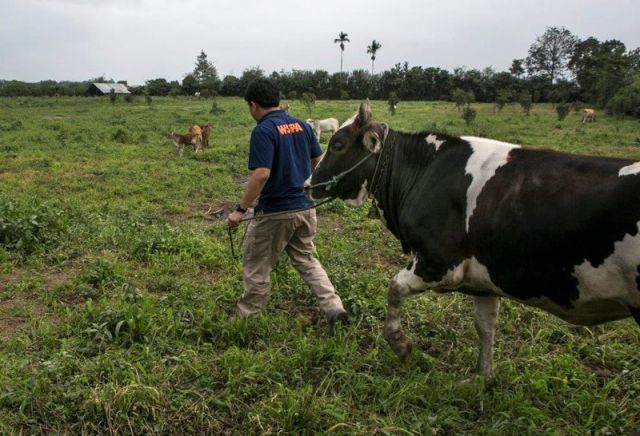
The team is focusing its efforts on the most affected areas within a 7 kilometer radius of the volcano, helping evacuate hundreds of animals to safety. Local food sources are coated with volcanic ash and unfit for animals to eat so WSPA has provided them with emergency feed for up to 8 weeks.

Walking a cow to safety after evacuation from the 7 kilometer danger zone.

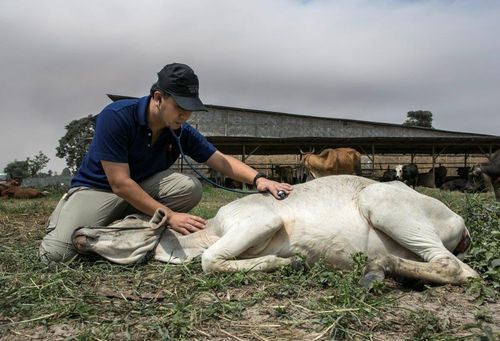
A few months ago WSPA Disaster Relief Teams provided veterinary care, food and shelter for livestock and pets in the Philippines in some of the areas hit hardest by Typhoon Haiyan.

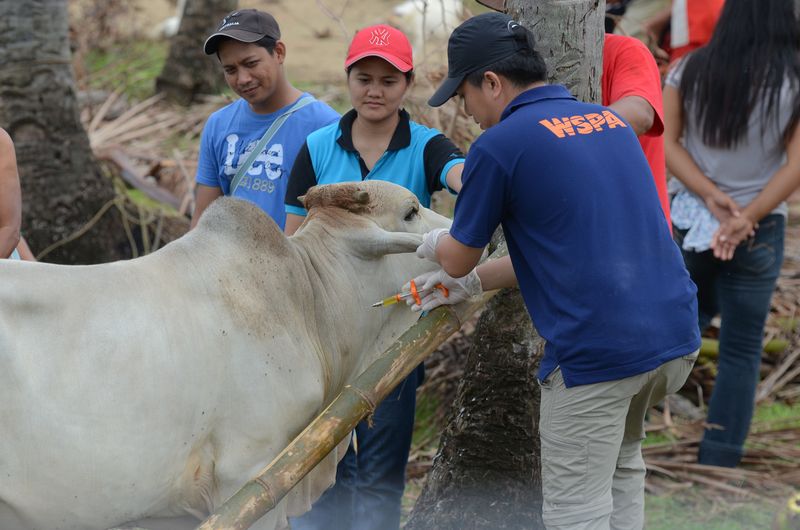
WSPA's Dr. Nartisorn Pholperm treats a cow in Northern Cebu Island.

WSPA’s Dr. Nartisorn Pholperm treats a cow in Northern Cebu Island.

With the help of 23 local volunteer vets, the WSPA team assessed over 13,000 animals and treated over 2000! Diarrhea and tick infestations were the most common conditions. Diarrhea which is usually caused by intestinal parasites can lead to malnutrition, and ticks can transmit deadly diseases. Both can prove fatal if left untreated. Thousands of animals were also vaccinated against a disease called hemorrhagic septicemia.

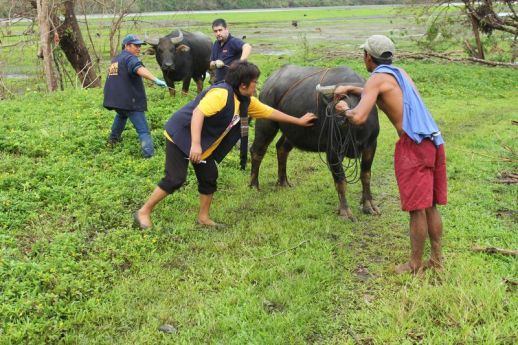
A volunteer vet with WSPA’s response team treats one of the Narucay family’s five cows.

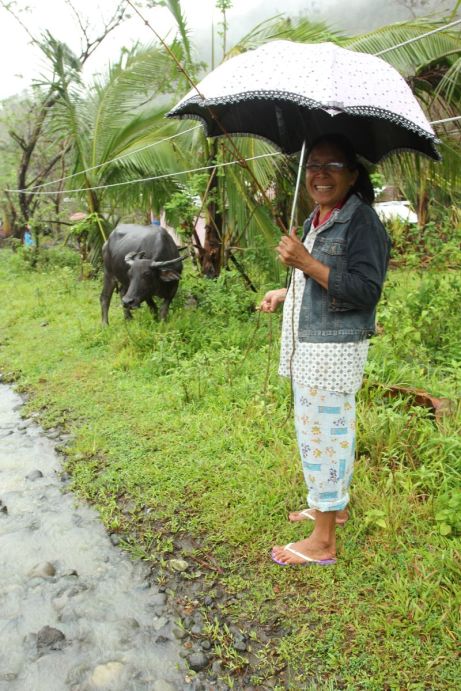
Prospera Bernal brought her 15-year-old buffalo for treatment. He was injured during the typhoon and had a gash on his back that had not healed and become infected. Although the injury would not normally be serious, the stress of the typhoon, lack of proper food and medicines and the hot, humid temperatures can turn relatively minor injuries into life-threatening conditions. The animal’s wound was disinfected and he was given vitamin injections to boost his immunity to disease.

Ms. Bernal and her buffalo.

WSPA vet and volunteers demonstrate how to humanely restrain large animals while delivering medical care.

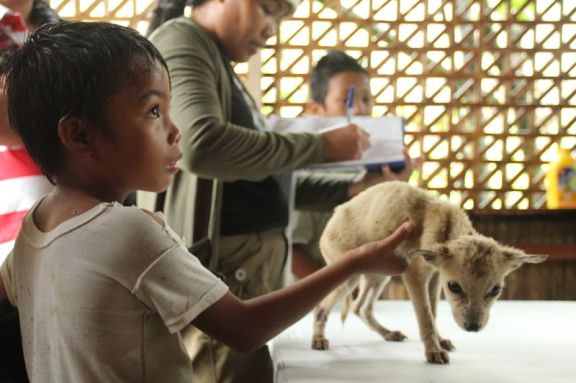
The team set up mobile veterinary clinics through the province. At each stop they made, children arrived with their puppies and farmers with their livestock.

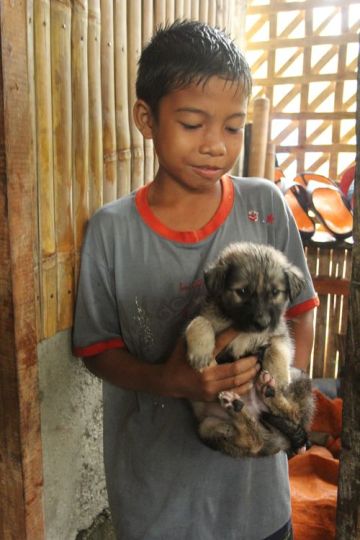
Two young boys from the same village Jomar Nalagan 10, and MarJo Nalagan Jr. 8, brought their puppies for treatment,

Jomar Nalagan and Lance.

Marjo listens to the vets explain how they are treating his puppy Brownie.

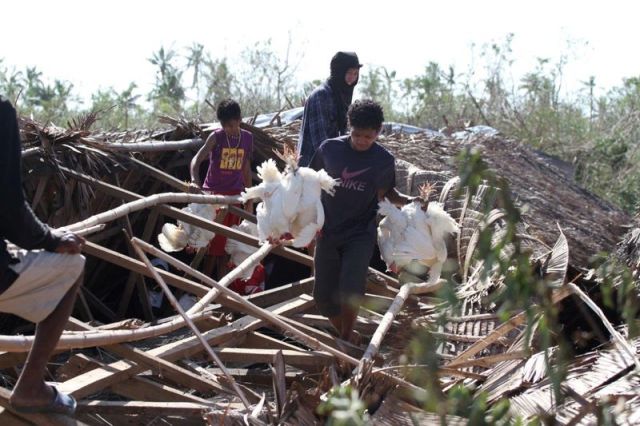
Villagers rely heavily on their animals for eggs and meat. They also help farmers work their fields and harvest their crops so they are integral to the villages long term recovery.

Poultry farmers have sifted through the debris to find live chickens they can relocate after their crops were destroyed in northern Cebu, Philippines. (Photo: WSPA/C. Baldicantos)

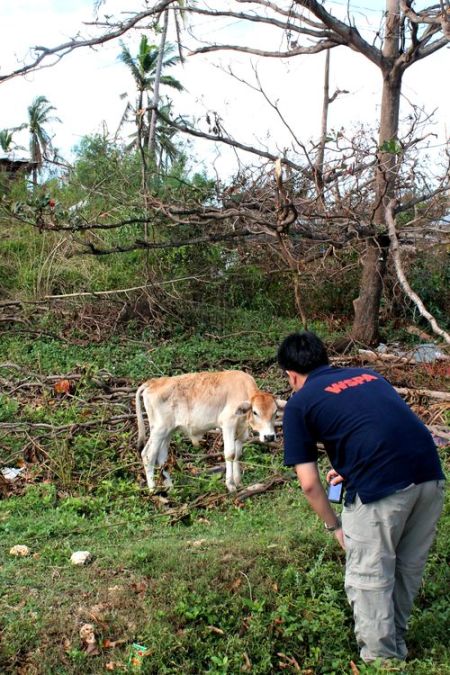
Approaching a young bull to assess its health.

Lunacy in shark territory

Posted on January 31, 2014

The Western Australian (WA) government has begun a program to kill sharks that appear near popular beaches along the Indian Ocean coast at the southwest tip of the country.
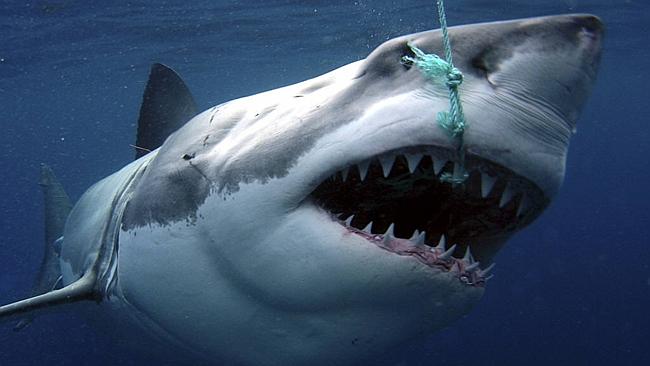
Great White, Australia.

Great White, Australia.

The first kill was confirmed on the 14th: a tiger shark shot one kilometer off Old Dunsborough in the South West region. Its carcass was dumped at sea.

Floating drums with baited hooks designed to attract the animals are affixed to the ocean floor 1km from beaches and surf breaks. The lines are monitored by commercial fishermen. Sharks over three meters sighted in these “kill zones” are shot.

Authorities say the program is a matter of public safety. WA is Australia’s largest state and there are ever more people in the water. Seven people have been killed by shark attacks there over the past three years. The death of a popular local surfer apparently spurred the federal environment minister to grant an exemption to kill sharks under the Environment Protection and Biodiversity Conservation Act. The exemption allows the killing of white, bull and tiger sharks over 10 feet long.

A majority of Australians don’t see the sense in such a policy when so many shark species have become endangered due to overfishing and mutilation for their fins.

COMMENTS:

Jupp – The idea of baiting sharks less than 1 mile away from the beaches is ludicrous and shows great lack of knowledge. It will attract more sharks to the area where people swim and could potentially create more problems. I am always amazed by how little those in charge know about sharks. First of all, sharks belong in the ocean and people do not. The oceans need sharks to stay healthy and we need the oceans to survive. Take the reef sharks away from the coral reefs, and the reefs will die within one year. Every shark has a job to do in the ocean. This is only for politicians to pretend that they are doing something for the public; when in reality they  accomplish nothing.

Lindsey – Baiting is sheer lunacy! Why attract sharks in! Isn’t that what we don’t want. It should be about finding ways to live in harmony, how about swim zones with sonar for detection for those that want to swim safely. STOP tagging sea creatures and interfering with their minds by implanting permanent noise into their bellies. Govt departments should be banned from interfering with Sharks which is just as bad as killing them. Don’t play with that which you do not understand.

Cahli – This cull is foolish and short sighted. There are not “more sharks” in the ocean, there are more misinformed humans in the ocean, making poor decisions, such as swimming through the schools of bait fish that sharks feed on. We need to better educate the community about safe swimming tactics and grow up and accept the risks involved in entering the habitat of a large predator.

Cam – If you’re in the water, you’re in their territory. It’s as simple as that. Leave the sharks alone

Murray – As someone who was attacked by a shark, I’m totally against this policy. I was surfing, I was bitten 4 times by an 8 ft bronze whaler which ripped my leg apart, had to have 250 stitches, lost about 1/3 of my blood and had to be revived twice as I was seconds away from dying. If you surf, there are sharks, and they might bite you. I still surf and accept that fact every time I go in the ocean. Leave them alone, they are rare and beautiful, if you don’t want to run the risk, stay out of the ocean. Simple.

Molly – Ludicrous! More people drown in rip currents than from sharks. Entering the water, you take a known risk, sharks are a risk, we’re not always top of the food chain, have some respect. Australia, leave the sharks alone.

Janet – When will people learn that we cannot mess with nature. Look at the state of world today. It is a really bad decision. Everything we do has a downside and surfers are well aware of the risks. Considering the number of people who go into the sea every year, the number of fatal shark attacks is less than minimal.

Miss – I hope all these politicians have something to answer to in the next life for all the innocent animals they just disregard for the sake of human luxury! Disgraceful. Have some respect for these creatures who have to fend for themselves day in day out, who show way more determination and magnificence than any human can ever relate to.

Dave – Great whites can travel 100kms in one day so baiting them is comparable to dipping into a barrel of names for someone to take a murder rap!  Absolutely ridiculous & callous because dolphins, & sharks under 3m will also fall victims!

Symptoms consistent with

Posted on January 20, 2014

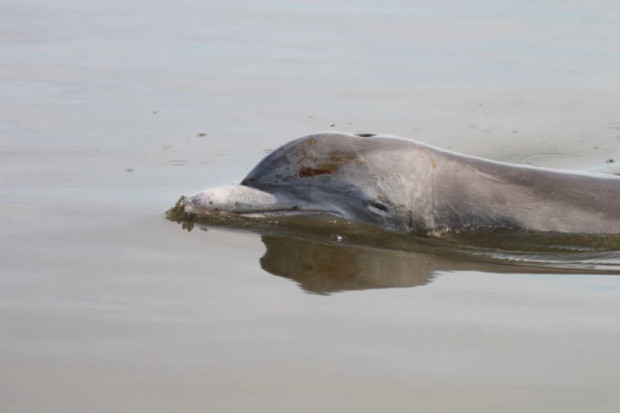
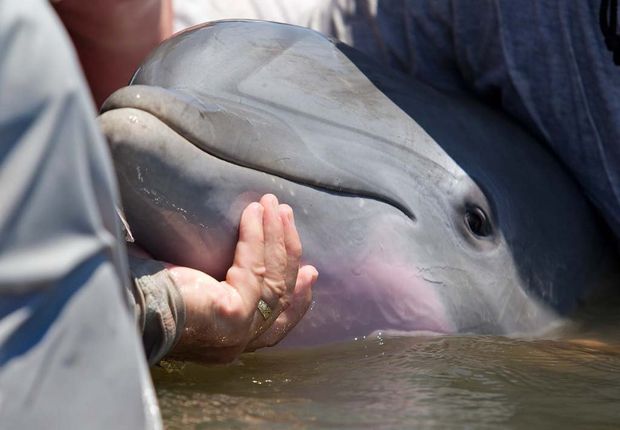
A recent study has shown nearly half the bottlenose dolphins living in Barataria Bay in the Gulf of Mexico, the area oiled by the explosion of the Deepwater Horizon oil rig four years ago, were/are in guarded or worse condition.

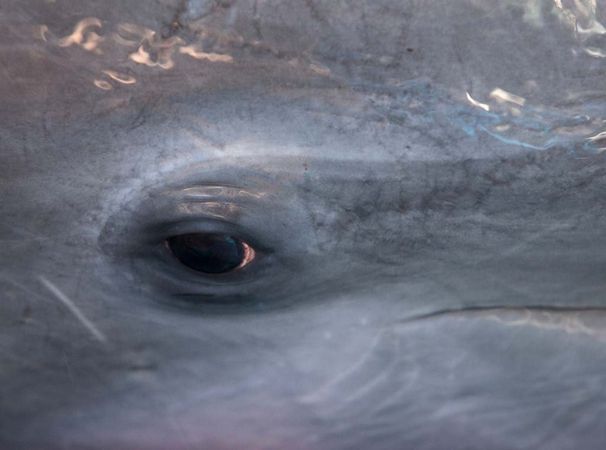
While a dolphin is examined, one researcher is told to watch its eye to make sure the mammal stays alert and interested in what’s going on as a way to monitor its vitals during the study. (Photo: Ted Jackson/The Times Picayune)

Twenty-five percent were significantly underweight. Seventeen-percent were classified as being in poor or grave condition and not expected to survive.

Oiled dolphin, summer 2010, in Barataria Bay, La. (Photo: Louisiana Department of Wildlife and Fisheries/Mandy Tumlin)

The findings showed unusual lung damage and very low levels of adrenal hormones, which are critical for responding to stress.

The abnormalities were not found in bottlenose dolphins tested in Sarasota Bay, Fla., chosen as a comparison site because it was not contaminated with oil.

Research study, Barataria Bay, August 15, 2011. (Photo: Ted Jackson/The Times Picayune)

The explosion 40 miles off the Louisiana coast spewed over 4 million barrels of oil into the sea, spreading an oil slick across open water that covered more than 1,000 miles of coastline

The research team, composed of government, academic and non-governmental researchers, concluded that the symptoms were consistent with petro-carbon or fuel-oil contamination, and that the evidence supports exposure to the BP oil, and not to other chemicals or natural illnesses.

British Petroleum, who owned the rig, funded the study and had personnel present while the animals were examined, disputed the findings.

Crush

Posted on January 11, 2014

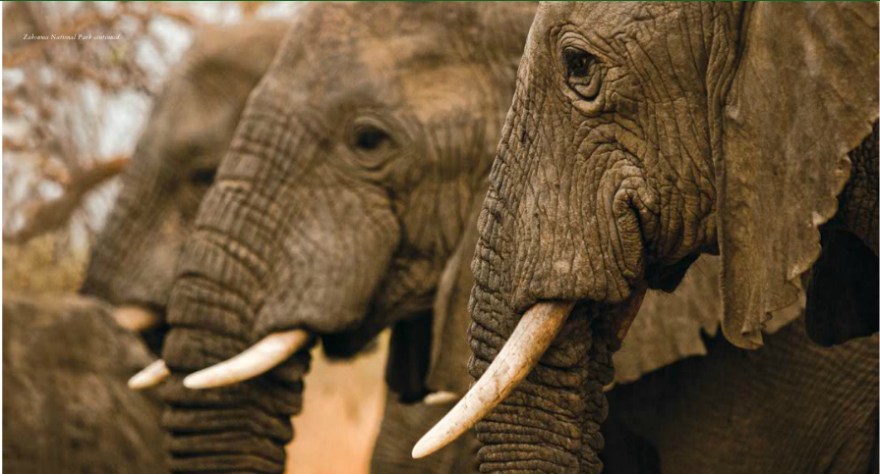
Chinese authorities recently pulverized six tons of confiscated elephant tusks and carvings at an event in Guangzhou, Guangdong province.

(Photo: africanparks.org)

(Photo: africanparks.org)

China is the world’s biggest market for ivory. Almost 50,000 elephants were killed for their tusks in 2011/2012. The six tons destroyed represents but a fraction of the 45 tons confiscated in China between 2009 and 2013. That the rest wasn’t destroyed has led to speculation within the international conservation community that there is a debate within the Chinese government on the issue and that the crush was a half-measure.

Officials in Guangzhou crushed 6.1 tons of confiscated ivory tusks and carvings. (Photo: WildAidWildAid)

Officials in Guangzhou crushed 6.1 tons of confiscated ivory tusks and carvings. (Photo: WildAidWildAid)

Nevertheless, the action was a sign that some officials in the country understand the seriousness of the problem.


In the U.S., national security concerns that profits from the sale of poached ivory are funding terrorists and the drugs and arms trades in unstable African countries, prompted the U.S. Fish and Wildlife Service to crush six tons of ivory last November. The crush involved nearly the entire U.S. stockpile of ivory.

A National Geographic report on the crush is here.


There are concerns that destroying seized ivory could worsen elephant poaching by making it more scarce and pushing the price up.

Good

Posted on January 10, 2014

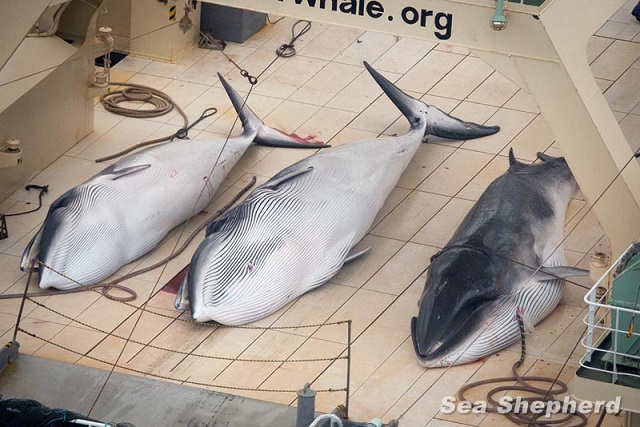
Sea Shepherd said it has temporarily driven the Japanese whale fleet out of the Antarctic Treaty Zone.

Minke whales on Japanese factory ship Nisshin Maru. (Photo: Sea Shepherd Australia)

Despite an international moratorium on commercial whaling that has been in place for nearly 30 years, the Japanese fleet continues to hunt cetaceans under a loophole in the International Whaling Commission convention that allows countries to kill whales for “scientific research.” The Japanese consortium that controls the hunt packages and sells the meat to consumers in Japan.

Japan has been killing whales in the Antarctic since 1987, and in the North Pacific since 1996. Iceland and Norway continue to defy the IWC and hunt whales in the waters off their countries.

Sea Shepherd said the Japanese fleet had been hunting for a day and a half and killed four Minke whales. They expect the whalers to return to the hunt soon.

Go SHARK

Posted on December 17, 2013

SHARK keeps hammering away.

  • Drawing attention to Cowtown Rodeo in New Jersey sending nine unwanted bucking horses to the slaughterhouse.
Four of the Cowtown nine.

Four of the Cowtown nine.

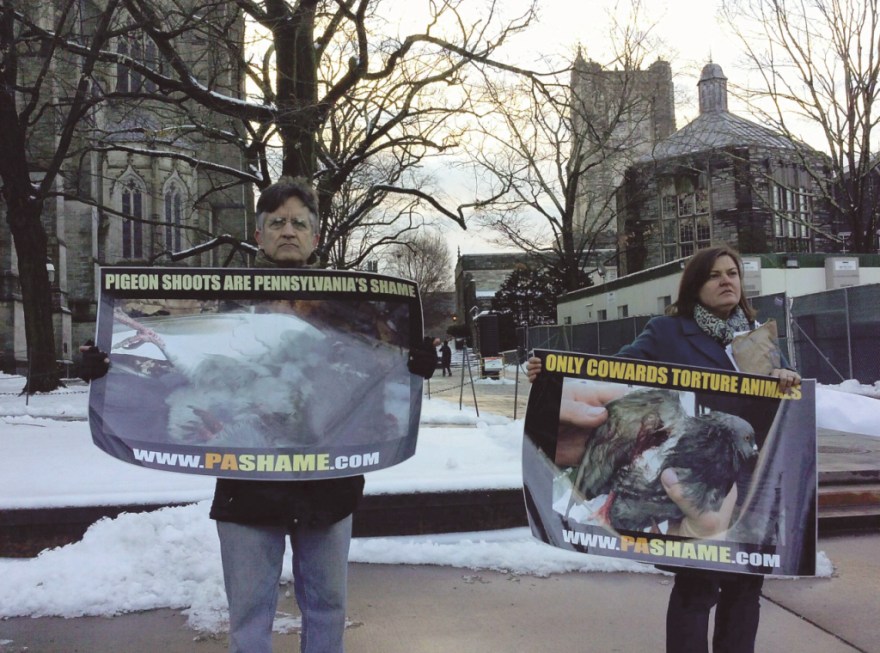
  • Upping awareness of the unconscionable sport of pigeon shooting by exposing the fact that Edward DiDonato, an outed pigeon shooter, sits on the Board of Trustees for Rider University.
SHARK pigeon shoot protestors at Princeton University.

SHARK says no to pigeon shooting.


For more info go here where you can also donate to SHARK or buy one of their goodies for Christmas.