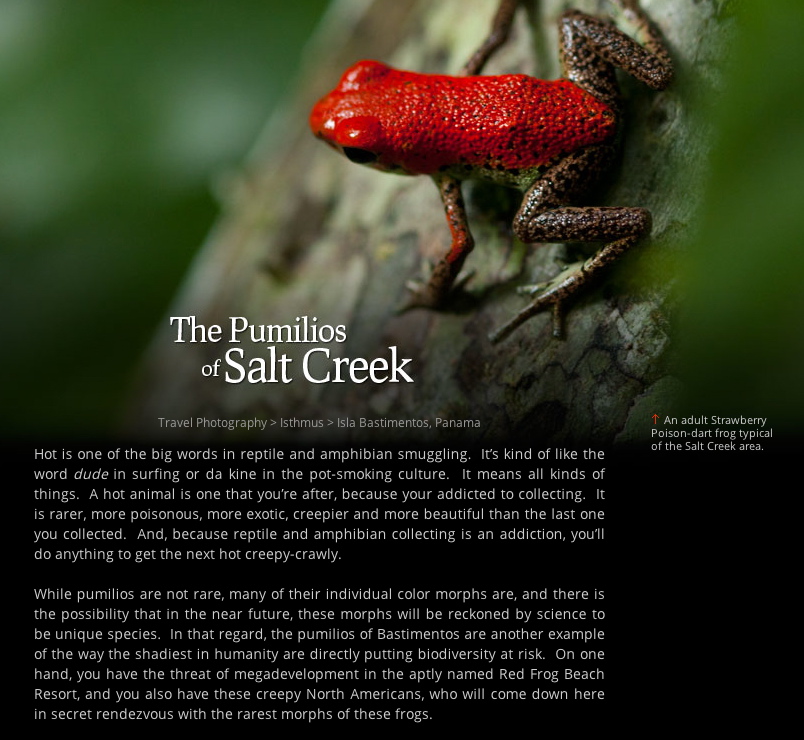
Source: Notesfromtheroad.
Source: Notesfromtheroad.
Twelve suspects in three separate incidents have been arrested by Nepalese officials for smuggling rhino horns and pangolin scales into China.
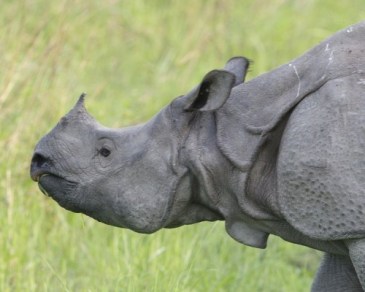
A total of 12 wildlife traffickers were arrested in Nepal in a span of just a few weeks, including seven traders in rhino horn. (Photo: Lip Kee/Wikimedia Commons)
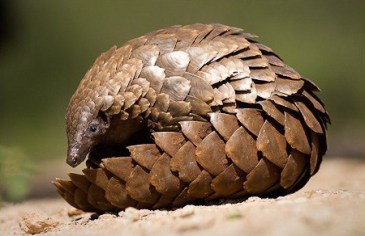
Pangolin.
A week later police raided a hotel in Chandranigahapur, Nepal and arrested another trader with a rhino horn.
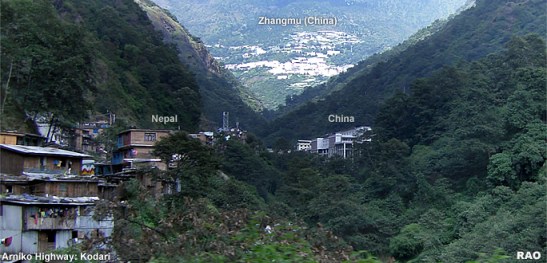
Tatopani border point.

The customs office at Tatopani, Nepal. The main border point for trade between Nepal and China.
It’s believed that custom officials on both sides of the border are deeply complicit in the smuggling. All the Nepalese border points are hubs of concern for wildlife officials.
Amy Meyer has the distinction of being the first person in the country charged under an “ag-gag” law, a new type of legislation passed by several states and being considered by others, designed to silence undercover investigators who expose animal welfare abuses on factory farms.

Amy Meyer.
The scene of the crime was the Dale T. Smith and Sons Meat Packing Co. in Draper City, Utah, where Meyer stood on the road outside the plant and used her cell phone to capture video of what she later described as “piles of horns” and “flesh being spewed from a chute on the side of the building, cows struggling to turn around after they smelled and heard the misery that awaited them inside,” and ”an apparently sick or injured cow being carried away in a tractor.”
While she was recording, a person from the slaughterhouse approached her and said she wasn’t allowed to film the operations. She responded that she was within her rights on public property. The police arrived, questioned her and allowed her to leave without pressing charges.
Nine days later she was charged with a class B misdemeanor for interference with an agricultural operation, which carries a penalty of up to six months in jail. Meyer pleaded not guilty.

Meyer, Amy, Police Report (Redacted) by The Salt Lake Tribune.
Meyer’s attorney, Stewart Gollan, argued that she never crossed into private property and believed that her behavior was constitutionally protected. Gollan also noted that the police report states there was no evidence of interference.
Journalist Will Potter broke the story about Meyer’s arrest on his Greenisthenewred website. Just 24 hours later, the Draper City prosecutor’s office dropped all the charges. More from Potter on this refreshing development can be found here.
Utah passed their ag-gag law in 2012. Nebraska, North Carolina, Pennsylvania, and Vermont are currently considering similar bills. Tennessee just tabled one, but a similar bill is expected to be reintroduced there in the near future.
SHARK has enlisted the aid of Bob Barker, storied game show host and long time supporter of protections for animals to explain why Pennsylvania voters need to tell their state legislators to support state bill SB510 to stop the unconscionable practice of shooting live pigeons.
1patrat: “This is so beyond BARBARIC,it pisses me off. I’m a sportsman,NRA member and how ironic is this, a financial supporter of SHARK. If those COWARD BASTARDS are gonna shoot birds like that they need to eat every one of them. I only believe in killing what I’m gonna eat. God didn’t create animals to be shot for sport.They where created as a food source if needed and much more. I’m ashamed of the NRA being affiliated with such trash as those MURDERERS are.”
The CR Fashion Book has just published an issue that features a chimpanzee posed with ballet dancers.

CR Fashion Book.
Carine Roitfeld, the global fashion director of Harper’s Bazaar, the person behind the campaign, is noted for having new “obsessions.
Roitfeld told a fashion writer for New York magazine that her debut issue, a sixteen-page spread titled “The Animal Nursery,” was “a dream come true because I had never held a baby monkey and baby tigers before.” “Hey, if it worked before, it’ll work again!” trumpeted the writer. “Monkeys are Carine’s thing these days.”

You can dress this kind of stuff up with super models and fancy photo shoots but it all boils down to a zero sum game for the animals. There is really no difference between how Ms. Roitfeld used Bently the chimp, and Tony the Truckstop Tiger in his concrete cage in Louisiana,
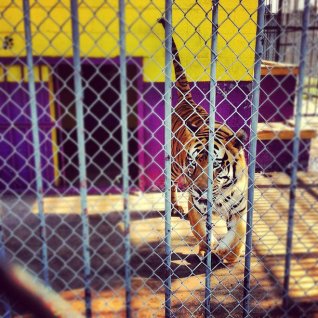
Tony the Truck Stop TIger. (Photo: S. Zaunbrecher)
or Lolita imprisoned in a pen at the Miami Seaquarium,
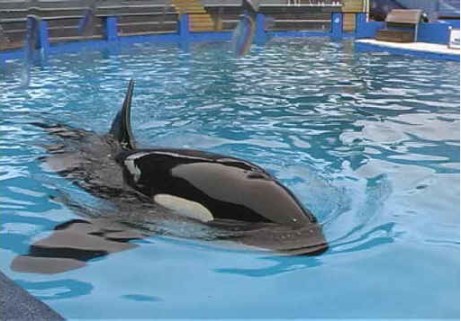
When not performing, Lolita is confined to a tank barely larger than she is. (Photo: Slaveforentertainment.com)
or the bears they set dogs on in India,
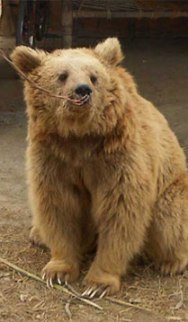
Lucia before her rescue to sanctuary. (Photo: BRC, Pakistan)
or moon bears in China,
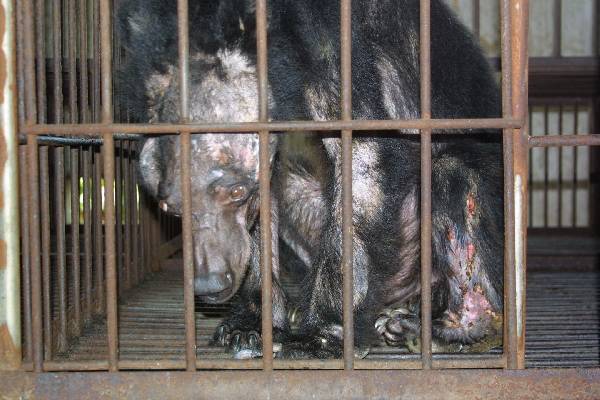
Moon bear in bile farm. (Photo: thebeartruth.org)
or Larry, the harbour seal at Marineland,
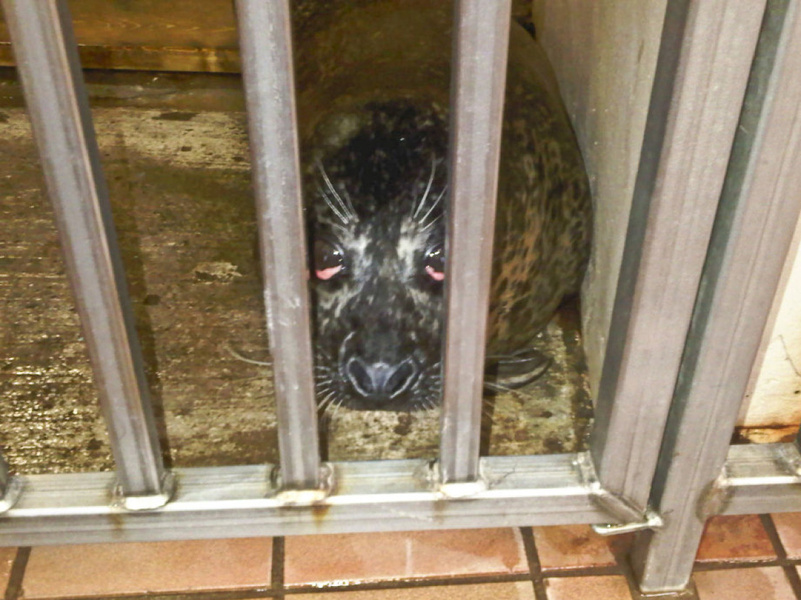
Larry, the harbour seal with “an amazing little personality” who arrived at Marineland about eight years ago is now a shadow of his former self. After repeated exposure to unhealthy water, he has gone blind.
or his compatriots, Baker and Sandy, the sea lions at Marineland who had to be pulled repeatedly from the water and confined in dry cages, in one case for more than two months, to limit further harm to their already damaged eyes because of unhealthy water in their tanks,

February 2012 photo shows sea lions Sandy and Baker (left). The pair had to be pulled repeatedly from the water and confined in dry cages, in one case for more than two months, to limit further harm to their already damaged eyes. Videos shot in 2011 and 2012 shows them writhing in pain or plunging their heads into a single bucket of clean water.
or the terrified howler monkey in the Peruvian village of Dos de Mayo, Sauce, offered to tourists as a photo prop to have their picture taken.
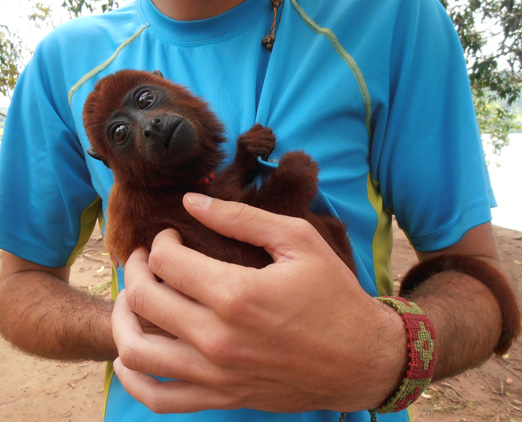
Infant howler monkey in Peru. (Photo: Neotropical Primate Conservation)
In spite of the public’s increased sensitivity and awareness of animal protection issues, There is a long way to go.

From a ballet-themed issue of the CR Fashion Book, featured in New York Magazine.
As consumers, we make our decisions in dollars by avoiding brands that exploit animals in marketing, such as Harper’s Bazaar/CR Fashion Book, and CareerBuilder.
Shout out: The Jane Goodall Institute of Canada.
US Fish and Wildlife Migratory Bird specialist Bob Murphy and friend Dale Stahlecher, a wildlife biologist, were preparing for a canoe trip down the Rio Chama River, in New Mexico, when they spotted an Osprey dangling from a pine tree, 60 feet up.
They took it to The Wildlife Center in Española where the rehab staff found the wire had cut off circulation to one of the bird’s toes and it had to be amputated.
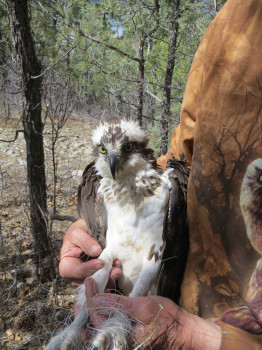
Osprey tangled in fishing line. (Photo: Dale Stahlecker)
It’s unknown how long the bird may have been hanging in the air. Alissa Mundt, on the rehab staff, said “she could use a little bit of fattening up. She’s pretty skinny.” But she’s on the mend. It’s hoped she might be returned to the wild, but ospreys hunt by snatching fish swimming in water and carrying them away, and it’s difficult to know whether she will retain that ability. Mundt added that she thinks the three toes might be enough to help the bird survive on her own.
Source: Albuquerque Journal.
Upon the deck there stood a tall wooden case, and above the edge of the case rose the heads of two Giraffes. They were…on board the boat…and going…to a traveling menagerie. The Giraffes turned their delicate heads from the one side to the other, as if they were surprised…. The world had suddenly shrunk, changed and closed round them. They could not know or imagine the degradation to which they were sailing. For they were proud and innocent creatures, gentle amblers of the great plains; they had not the least knowledge of captivity, cold, stench, smoke, and mange, nor of the terrible boredom in a world in which nothing is ever happening. Crowds…will be coming in from the wind and sleet of the streets to gaze on the Giraffes, and to realize man’s superiority over the dumb world.
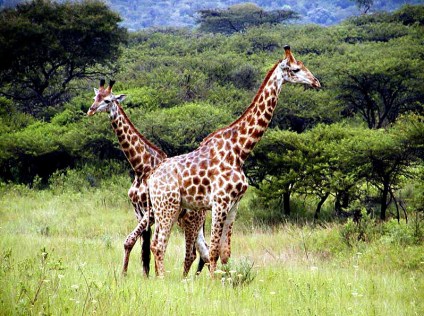
Isak Dinesen, Out of Africa (New York: Vintage Books, 1989).
Thanks: The Value of Life by Stephen R. Kellert.

Big Loop Rodeo, Day One. (Photo: SHARK)
SHARK is at it again.
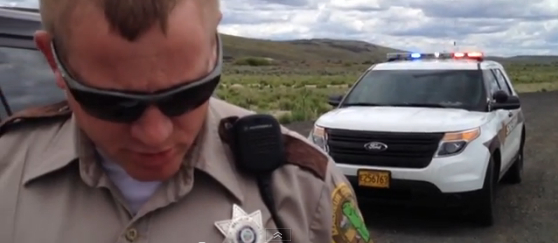
Post rodeo intimidation. Note: the Sheriff’s posse sells food at the rodeo. (Photo: SHARK)
I can’t get this image out of my mind.

Orangutan rescue, Borneo. (Video frame: International Animal Rescue)
A female orangutan isolated in the remains of a jungle that had been bulldozed down around her to plant palm oil trees, fleeing desperately from the animal that had been trying to kill her. In this case, her pursuers were there to rescue her from certain death, but experience told her to flee.
Clearing the forest had deprived her of fruit and leaves, reducing her to eating bark and stems and she was weak from hunger. On this occasion, rather than chasing her away or killing her, the palm oil company that had destroyed the forest contacted International Animal Rescue (IAR) so she could be captured and moved to a place of safety.

Starving orangutan rescue, Borneo. (Photo: International Animal Rescue)
A few minutes later members of IAR’s team in Borneo along with members of the local forestry department, covered her with a net and transported her to undisturbed jungle.
The rescuers determined that she was lactating, which meant she had lost her baby which had probably been killed not long before the rescue team arrived.
Watch the video of her rescue here.
To learn about and contribute to International Animal Rescue.
 sends investigators into the field, to trail livestock trucks and visit markets, collecting stations and slaughterhouses to expose abuses involved in horse slaughter, long distance transport, non-ambulatory animals, and factory farming. Their investigators provide documented reports and video footage to news media as a public service, and share what they find with auction and slaughter plant management, “to encourage positive change in the way farm animals are handled during transportation, at auction, and at slaughter.” (Imagine being a fly on the wall at one of those meetings.)
Check out their investigations here.
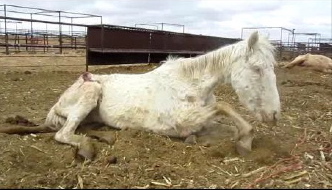
Out of luck animal at Dennis Chavez’s Southwest Livestock Auction & Slaughter Horse Feedlot. March 2012. (Photo: Animals’ Angels)
Last year ANIMAL POST reported on their investigation of a New Mexico facility operated by Dennis Chavez, New Mexico’s largest kill buyer, where investigators found a pitiful scene of corrals strewn with dead and dying horses.
Most recently Animal Angels documented conditions at the Knoxville Livestock Center (the research may not yet be posted, keep checking), one of the largest horse auctions in the Southeast and popular with kill buyers. Locals had complained about the poor treatment of the horses they’d witnessed there.
 The investigators saw auction horses being unloaded and crammed into a narrow chutes, then into large, overcrowded pens. Stressed, the horses fought over food and water, the more dominant horses preventing the weaker horses from drinking.
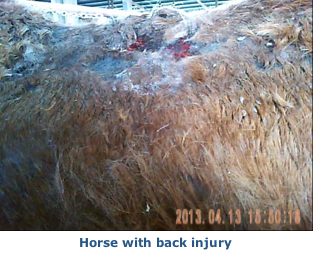
Inspectors found the auction house animals in extremely poor physical condition. Two “resembled walking skeletons.” 
Several horses were observed that were clearly ill or injured. Investigators noted: a horse with an eye infection, a weakened horse who continued to lay down in the pen, a horse with a clubbed foot and lame, a mare in heat with weighted shoes, bandaged and wrapped front legs, perhaps from soring, a horse with a back injury & skin problem, multiple horses with fresh cuts and smaller injuries, multiple horses with overgrown hooves, and multiple emaciated horses.

The severely emaciated horse #5164 was also moved through the sale ring, but no one wanted to buy her.
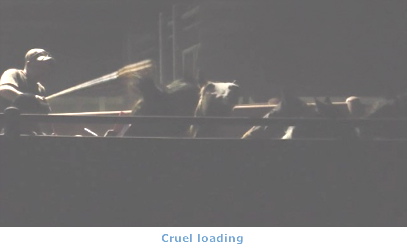
After the auction concluded, the investigators watched one buyer and his assistants load fourteen horses into a trailer whose entrance was too low for the ramp. Every horse that walked up hit its head and panicked. “The workers beat them over the head with ropes, paddles, and sticks, leading to complete mayhem.”

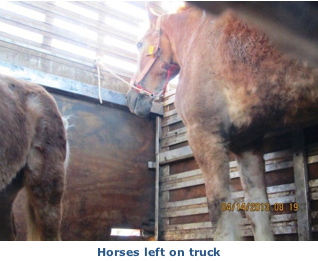
Filled with horses the truck left the auction, drove for hours and parked, leaving the horses inside the trailer overnight without food or water.
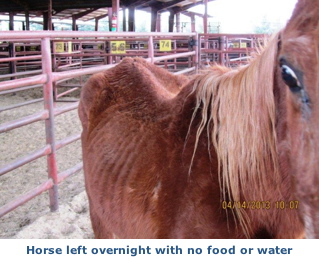
Back at the auction, investigators found an emaciated horse that had been left with no food or water for over a day. The investigators called the Sheriff’s office who sent an officer to questioned the workers. A worker lied, claiming the animal had been sold and given food and water. The investigators provided evidence that showed otherwise. The auction manager called and threatened the officer, informing him that he was not allowed to take any photos. The officer was not intimidated and walked the entire premises with the investigators and ordered that the horse be given food and water immediately.
The investigators shared their photo documentation and the police report with the Tennessee Department of Agriculture, State Veterinarian, and AG Crime Unit Officer. They noted they will continue to monitor the Knoxville Auction and ensure that it is held accountable for how it treats the animals in its care.
What Animals’ Angels investigators do is the opposite of glamorous. And undoubtedly heartbreaking. This particular reports seems fairly typical. It’s a hot, dirty business, documenting awful stuff, dealing with people who could give a shit about animals. But it’s valuable work. The people they’re watching aren’t going to change their behavior willingly.
If you want to support what they do, go here.

The Daily Telegraph Australia 2013-05-13: THE Federal Government has refused to release video showing endangered sea lions and other marine mammals entangled and drowned in shark fishing nets. Following a 12-month battle with the Government,The Advertiser won an appeal for still images from the videos to be released after complaining about their secret status to the Information Commissioner and agreeing to keep secret the identities of the fishermen and vessels. The Federal Government said its attempt to hide the pictures was to protect the safety of fishermen involved. The images show traumatised Australian sea lions, including pups, many with cut and… more »
Photo: Care 2.com
How far would you go to help your neighborhood? What would you do to protect it? In the US we have “neighborhood watches” for that very purpose. In northern Kenya, they have a watch group- a grass-roots squad of rangers formed to protect the elephants and rhino from poachers.
Essentially a conservation militia, these volunteer villagers are fed up and taking matters into their own hands. The ordinary citizens are arming themselves and taking to the bush to fight back. Not necessarily out of a “Have you hugged an elephant today?” attitude, but to protect the money the elephant (and rhino) bring to their villages.
The safari/tourist industry is a successful and integral money-maker for Kenyans. An economic staple, tourists bring in more than a billion dollars a year. Much of that money is contractually bound to go directly to impoverished local communities, which use it for everything from…
View original post 148 more words
Tennessee Gov. Bill Haslam (R) vetoed a proposed anti-whistleblower “ag-gag” bill that would have made it harder to expose animal abuse.

Tennessee Governor Bill Haslam.
The legislation would have required that evidence of animal abuse be turned over to law enforcement within 48 hours or face criminal charges. The bill’s sponsors said the proposal would ensure animal cruelty was quickly investigated.
Watchdog groups say it was to prevent undercover activists from exposing cruelty to animals on farms and, in the case of the Tennessee walking horse industry, in the show ring.
Thousands of Tennesseans urged the veto, including more than 300 Tennessee clergy, the state Attorney General pronounced it constitutionally suspect, and a number of high profile celebrities added their voices to the protest.
The Tennessean newspaper called it a courageous move by the Governor:
“The legislation was built upon a lie. There is no need even for a revamped version of this bill to see the light of day, because the stated purpose of the bill, to prevent manipulation of animal owners by animal-rights groups, is a fiction. Just ask the prosecutors in the Jackie McConnell horse-soring case. They will tell you the evidence obtained by the Humane Society of the United States could not have been obtained in any other way.
Animal abusers do not advertise their wrongdoing, but the abuse must be stopped.”
May 6, a group of 17 heavily armed poachers in the Central African Republic (CAR), entered the Dzanga-Ndoki National Park, a World Heritage Site, and killed at least 26 elephants, firing from an observation platform used by scientists and tourists.
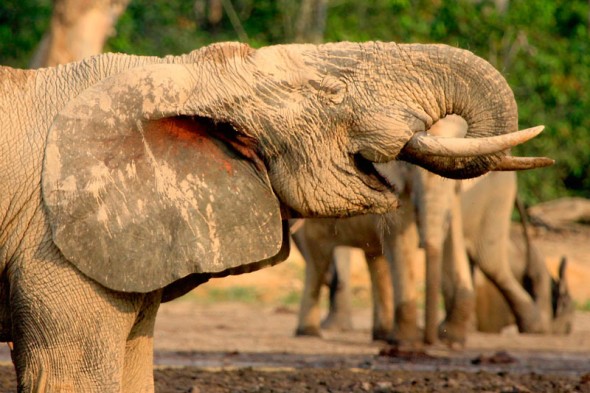
Forest elephant (Loxodonta cyclotis) bull drinking with trunk in mouth, in Dzanga Bai. (Photo: WWF/Carlos Drews)
The poachers left the park by the evening of May 8, their truck fully loaded with ivory. Examination of the carcasses following their retreat revealed 20 adults and six calves. All their tusks had been hacked off. An assessment of additional damage, possibly including other elephant carcasses in the surrounding forest and smaller clearings, is ongoing. The site of the massacre, Dzanga Bai, also known as the “village of elephants,” is a large clearing in the rainforest where between 50 and 150 elephants gather every day to drink at mineral-rich springs. Tourists and scientists have come to the clearing for decades to observe the normally secretive African forest elephant, a different species than the larger savannah elephants found in open country.
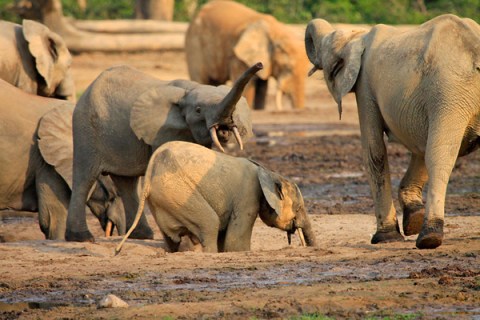
Elephants in Dzanga Bai (Photo: Carlos Drew/WWF)
Poachers have sought to enter the clearing for years, but conservationists had always managed to keep them at bay. The identities of these poachers are unclear but they are believed to be of Sudanese origin. They did not speak the local language. It is understood they arrived at the park in a vehicle emblazoned with the name Séléka, the new regime which overthrew CAR President François Bozizé in March. The park has armed ecoguards, but they felt outgunned by the poachers and did not take them on. Chaos has reigned in the area since the government takeover with widespread reports of looting, rapes, killings, and other human rights abuses. Although the poachers have left Dzanga Bai, there are fears the killing of elephants in the CAR may resume. Forest elephants are smaller than other species but their tusks have a pinkish hue which, unfortunately, increases their value.
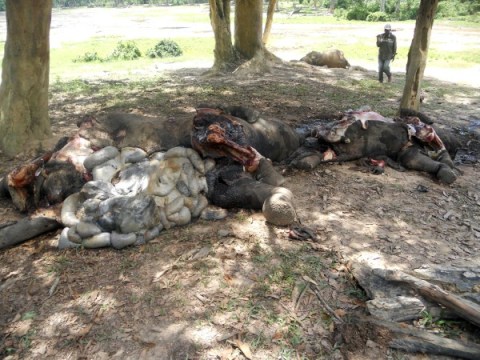
Elephant slaughter at Dzanga Bai, CAR. (Photo: WWF)
As of May 10, most of the park’s 42 ecoguards are back at their posts—watching and waiting.
Sources: mongabay/National Geographic.

 First Light Productions